 சினிமா
 டிவி
 Podcast
 iPaper
 கோயில்கள்
 புத்தகங்கள்
 Subscription
 திருக்குறள்
 கடல் தாமரை

Low marks are not the end: What should students do?
Low marks are not the end: What should students do?
செப் 28, 2026 09:48 PM
செப் 28, 2026 09:48 PM

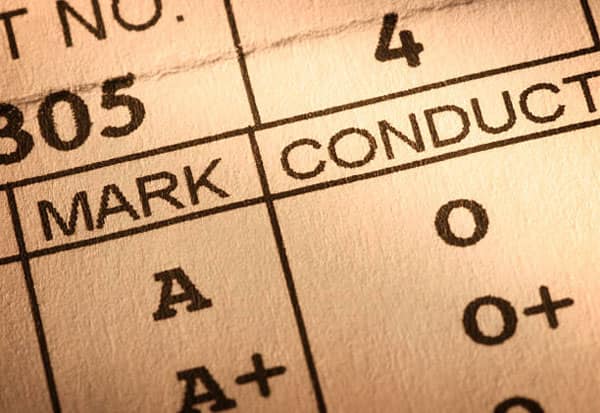
Exam results can bring mixed emotions. While some students celebrate their scores, others may feel disappointed, anxious or even afraid to tell their families.
Low marks can be upsetting, but a single mark sheet does not define a student's abilities or future. The first step is to understand why the marks were low and what can be done differently next time.
Failure or feedback?
When marks are lower than expected, it is easy to conclude, “I did not study enough.” But the real reason may be different.
Ask yourself:
Which subjects had lower marks?
Which questions did I get wrong?
Did I understand the concepts?
Did I forget what I had studied?
Did I run out of time?
Did I know the answer but fail to present it correctly?
Finding the answers can turn disappointment into a useful learning experience.
Identify the mistake
Going through the answer sheet can reveal where things went wrong. A student may have memorised information without understanding the concept. Another may have made careless mistakes by rushing through the paper. Someone else may have lost marks because there was not enough time to complete the final questions.
Instead of saying, “I am not good at Mathematics,” ask, “Which area of Mathematics do I need to improve?”
A specific problem is easier to work on than a general feeling of failure.
What can parents do?
A student's response to low marks can be strongly influenced by how parents react. Anger, comparisons or statements such as “You will not achieve anything” can hurt a student's confidence.
A better starting point is a simple question: “Where did you find it difficult?”
Parents can listen before offering advice. Sometimes, students need understanding and encouragement before they are ready to discuss solutions.
Avoid comparisons
Students in the same class may have very different strengths. One may be comfortable with Mathematics, while another may perform better in languages or other subjects.
Learning speed, interests, aptitude, study habits and practice differ from one student to another. Therefore, asking, “Why did your friend score more than you?” may not help.
A more useful question is: “Have you improved from your previous performance?”
Treat marks as feedback
Marks are not a measure of a student's worth. They provide information about performance in a particular examination at a particular point in time.
Instead of thinking, “I have failed,” ask, “What do I need to improve?”
That question can become the starting point for the next attempt.
Make a practical plan
After the initial disappointment, create a simple plan for the next examination. Give additional time to weaker subjects, set small daily targets, practise previous examination questions regularly and ask teachers to clarify difficult concepts.
“I want to score 100 marks” is a big goal. “I will thoroughly understand these two topics this week” is a clear and actionable step.
A single examination result is not the end of a student's journey. It is an opportunity to understand what went wrong, make changes and move forward with greater confidence.

Advertisement