 சினிமா
 டிவி
 Podcast
 iPaper
 கோயில்கள்
 புத்தகங்கள்
 Subscription
 திருக்குறள்
 கடல் தாமரை

நவ 26, 2026 06:36 PM
நவ 26, 2026 06:36 PM

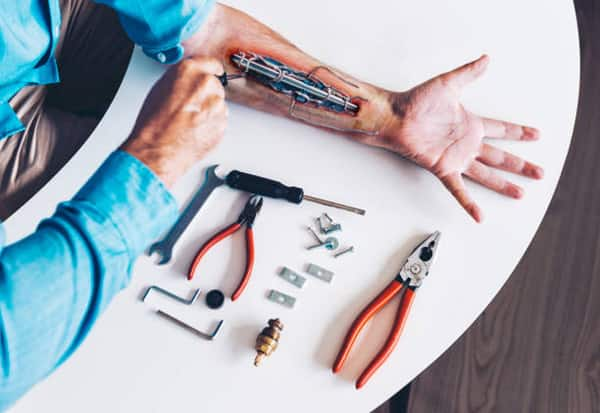
Biomechanical engineering combines the study of human body movement with principles of mechanical engineering to develop medical devices and technologies that improve human health and quality of life.
Biology explains how bones, muscles, joints and internal organs function, while mechanical engineering examines how forces, movements and mechanical systems work. By bringing these disciplines together, biomechanical engineers develop solutions to help people overcome physical limitations, recover from injuries and improve mobility.
Work
Biomechanical engineers design, develop and improve medical equipment and devices that support the human body.
Their work includes developing artificial organs to replace damaged or non-functioning organs, as well as medical equipment such as dialysis machines and ventilators.
They also design artificial limbs and joints that help people who have lost limbs or suffered joint damage due to accidents or illnesses regain mobility and independence. In addition, they test and improve existing medical devices to make them safer, more reliable and effective.
Education
Students interested in this field can pursue undergraduate degrees in biomedical engineering, mechanical engineering or related engineering disciplines, with specialisation in biomechanics.
A postgraduate degree, such as a master's or doctoral programme, can provide opportunities to pursue advanced research and specialised professional roles. Practical experience through laboratory projects, internships and research programmes during college can also strengthen career prospects.
Specialisations
Biomechanical engineering covers several specialised areas:
- Soft-tissue mechanics: Studies the mechanical properties of muscles, tendons, ligaments and other soft tissues. Research in this area supports the development of artificial tissues, implants and improved medical treatments.
- Auditory mechanics: Examines the mechanical functioning of the inner ear and hearing system. Applications include hearing aids, cochlear implants and technologies that help address hearing disorders.
- Rehabilitation engineering: Combines engineering and medical science to develop robotic devices, artificial limbs, powered exoskeletons and assistive technologies. These innovations help people with physical and neurological impairments regain mobility and independence.
- Human movement biomechanics: Studies how muscles, bones and joints work together during activities such as walking, running and jumping. It also helps improve sports performance, prevent injuries and develop rehabilitation programmes.
Career opportunities
Graduates can explore careers in medical device manufacturing, biotechnology companies, hospitals, rehabilitation centres and research institutions. They can work as biomechanical engineers, research associates, medical device designers, rehabilitation engineers and prosthetics specialists.

Advertisement