 சினிமா
 டிவி
டிவி Podcast
 iPaper
 கோயில்கள்
 புத்தகங்கள்
 Subscription
 திருக்குறள்
 கடல் தாமரை
பிப் 12, 2026 06:28 AM
பிப் 12, 2026 06:28 AM

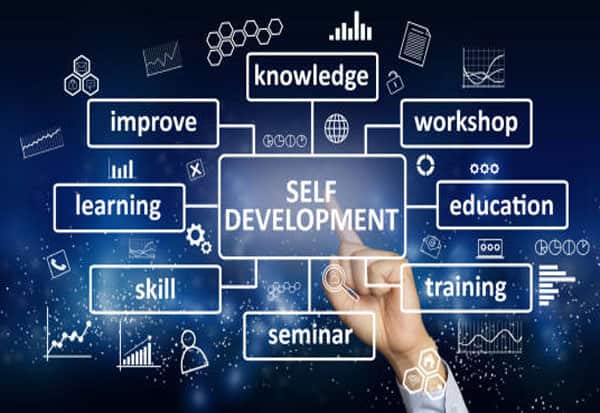
The Changing Nature of Work
The global workforce is undergoing a profound transformation. Automation and artificial intelligence are rapidly taking over routine and repetitive tasks across industries, fundamentally altering how work is done. As this shift accelerates, experts argue that academic degrees alone will no longer guarantee employability. By 2030, success in the job market is expected to depend far more on adaptable, human-centric skills than on formal qualifications.
Why Degrees Are Losing Their Dominance
For decades, degrees have served as the primary gateway to employment. However, as machines become capable of handling predictable and technical tasks, the value of purely credential-based hiring is diminishing. Employers are increasingly seeking individuals who can think independently, adapt to change, and work effectively alongside intelligent systems. Knowledge, while still important, is no longer enough without the ability to apply it creatively and responsibly.
Emotional Intelligence Takes Centre Stage
Among the most critical skills shaping future employability is emotional intelligence. The ability to manage stress, navigate workplace conflicts, empathise with colleagues, and collaborate effectively is becoming essential, particularly in high-pressure environments. As automation handles tasks, humans are expected to handle relationships. Emotional intelligence enables teams to function smoothly and leaders to inspire trust—qualities no algorithm can replicate.
Adaptability and the Ability to Learn Continuously
Another defining skill for 2030 is adaptability. Job roles are evolving faster than ever, often changing within a few years or even months. This makes learning agility—the ability to learn, unlearn, and relearn—crucial. Employees who can quickly acquire new skills, adjust to new technologies, and remain flexible in uncertain conditions will have a clear advantage over those who rely solely on past expertise.
Digital Fluency as a Core Life Skill
Digital fluency is no longer restricted to technology professionals. As AI-powered tools, automation platforms, and data-driven systems become embedded in everyday work, understanding how to use digital tools effectively is essential across all professions. Experts emphasise that digital fluency does not mean coding alone—it includes the ability to navigate digital environments, interpret data, and work confidently with emerging technologies.
The Growing Importance of Critical Thinking
As information becomes abundant, the ability to analyse, question, and evaluate it critically is increasingly valuable. Employers are placing greater emphasis on problem-solving skills that involve reasoning, judgement, and decision-making. Rather than following instructions blindly, future professionals will be expected to assess situations, identify gaps, and develop practical solutions in complex and ambiguous scenarios.
Communication and Storytelling in the Workplace
Strong communication skills are also gaining prominence. Whether it is presenting ideas, influencing stakeholders, or collaborating across teams, the ability to convey thoughts clearly and persuasively is vital. Storytelling, in particular, helps transform complex information into meaningful narratives that engage audiences and build connections.
Redefining Success by 2030
By 2030, employability is expected to be defined less by degrees and more by the ability to combine technical knowledge with emotional, cognitive, and digital skills. In a world shaped by intelligent machines, it is distinctly human capabilities that will determine long-term relevance and success.

Advertisement