 சினிமா
 டிவி
 Podcast
 iPaper
 கோயில்கள்
 புத்தகங்கள்
 Subscription
 திருக்குறள்
 கடல் தாமரை

நவ 16, 2026 09:25 AM
நவ 16, 2026 09:25 AM

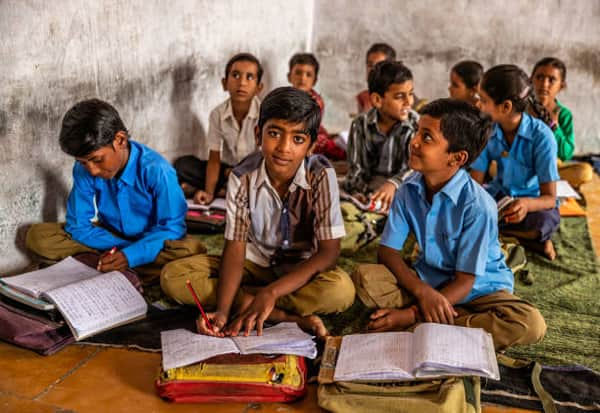
How students, teachers and parents can build a happier, safer and more responsible learning environment.
1. Why fear is not the answer
Every student has experienced the fear of being scolded for a mistake, answering a question incorrectly or breaking a classroom rule. While fear may make students obey temporarily, it does not always help them understand why their behaviour needs to change.
True discipline is not about controlling students; it is about helping them learn self-control.
A classroom should be a place where students feel safe to ask questions, admit mistakes and learn from them. When discipline is based on respect rather than intimidation, students are more likely to understand their responsibilities and make better choices.
2. Respect builds responsibility
Students want to feel accepted and valued. When teachers listen to them, treat them fairly and explain their expectations clearly, students are more likely to cooperate.
Fear-based discipline, on the other hand, can make students anxious, reduce their confidence and encourage them to hide their mistakes rather than learn from them. A quiet classroom is not necessarily a classroom where meaningful learning takes place.
Discipline becomes effective when students understand the reasons behind the rules and recognise how their actions affect others.
3. Simple ways to build positive discipline
Teachers and students can work together to create a respectful learning environment.
Set clear rules: Explain classroom expectations from the beginning and apply them consistently.
Build trust: Listen to students' concerns and treat everyone with dignity.
Appreciate good behaviour: Recognise honesty, cooperation, effort and improvement instead of focusing only on mistakes.
Use fair consequences: Explain what went wrong and help students understand how to correct it. Consequences should teach, not humiliate.
Develop emotional skills: Encourage students to manage anger, resolve disagreements peacefully and take responsibility for their actions.
Make learning engaging: Interactive lessons and meaningful activities can help students participate actively and reduce boredom.
4. Parents and schools share the responsibility
Discipline does not begin and end in the classroom. Parents influence how children respond to rules, setbacks and disagreements. Listening patiently, setting reasonable boundaries and correcting mistakes calmly can help children develop responsibility.
Schools must also support teachers through clear policies, appropriate training, counselling and fair procedures. Large classes and limited resources can make positive discipline challenging, but consistency and cooperation can help.
5. Challenges and long-term benefits
Maintaining discipline without fear is not always easy. Large classrooms, limited resources and differences in students' needs can make it difficult for teachers to respond to every situation. However, patience, clear expectations and consistent guidance can help.
The World Health Organization reports that corporal punishment can harm children's physical and mental health, behaviour and educational outcomes. Research supports the need for safer, non-violent approaches to discipline.
When students learn to manage their behaviour, respect others and accept responsibility, they develop skills that are useful far beyond school. These qualities help them become better friends, team members, professionals and citizens.
6. Discipline that prepares us for life
Discipline without fear does not mean allowing students to do whatever they want. It means setting firm boundaries while treating people with fairness and dignity.
The real test of discipline is not whether students obey when a teacher is watching. It is whether they make responsible choices even when nobody is watching.
Education should not simply produce obedient students. It should develop confident, responsible and compassionate individuals who understand why doing the right thing matters.
--Shuaib Nazir, Education Advocate

Advertisement