 சினிமா
 டிவி
டிவி Podcast
 iPaper
 கோயில்கள்
 புத்தகங்கள்
 Subscription
 திருக்குறள்
 கடல் தாமரை
ஜூன் 05, 2026 07:45 PM
ஜூன் 05, 2026 07:45 PM

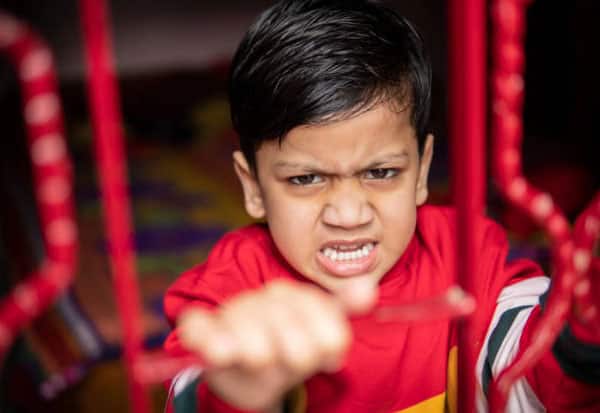
Words matter, but tone matters more
Communication is often judged by the words we use. Yet, in many situations, it is not the words themselves but the tone behind them that determines how a message is received. A polite sentence delivered with irritation can offend, while a difficult message conveyed calmly can foster understanding. This makes tone one of the most important—and often overlooked—elements of communication.
The Hidden Cause of Misunderstandings
Many conflicts at home, in schools, and among friends arise not because of what is said, but because of how it is said. A child may have a valid point to make, but if it is expressed in a harsh, impatient, or dismissive tone, the message can be lost. Misunderstandings, arguments, and strained relationships frequently stem from tone rather than content.
As children grow, the way they communicate shapes how others perceive them. A respectful tone encourages cooperation and dialogue, while an aggressive tone can create resistance and conflict.
A Skill That Must Be Taught Early
Communication is not simply a natural ability; it is a skill that can be trained and strengthened over time. Just as children are taught to read, write, and solve problems, they should also be taught how to communicate effectively.
Parents and teachers play a crucial role in this process. Children learn by observing the adults around them. When they witness calm discussions, respectful disagreements, and thoughtful responses, they begin to adopt those behaviours themselves. Early guidance helps children understand that confidence does not require raising one's voice and that disagreement does not require disrespect.
Preparing Children for Difficult Conversations
Life inevitably presents challenging conversations—whether with friends, teachers, colleagues, or family members. Children who learn to manage their tone from an early age are better prepared to navigate these situations successfully.
They become more capable of expressing frustration without anger, disagreement without hostility, and concern without confrontation. Instead of reacting impulsively, they learn to communicate with clarity and self-control. These abilities not only strengthen relationships but also build emotional resilience and leadership qualities.
A Shared Responsibility
Developing strong communication skills is a shared responsibility between home and school. Parents and teachers must work together to help children recognise the impact of their tone and encourage respectful dialogue in everyday interactions.
The benefits extend far beyond childhood. A child who learns to communicate effectively today is more likely to become an adult who can listen, negotiate, collaborate, and lead tomorrow.
The goal is not merely to teach children how to speak. It is to teach them how to be heard, understood, and respected.

Advertisement