 சினிமா
 டிவி
டிவி Podcast
 iPaper
 கோயில்கள்
 புத்தகங்கள்
 Subscription
 திருக்குறள்
 கடல் தாமரை
Polymer Engineering: Courses, Careers and Future Prospects
Polymer Engineering: Courses, Careers and Future Prospects
ஆக 03, 2026 09:30 PM
ஆக 03, 2026 09:30 PM

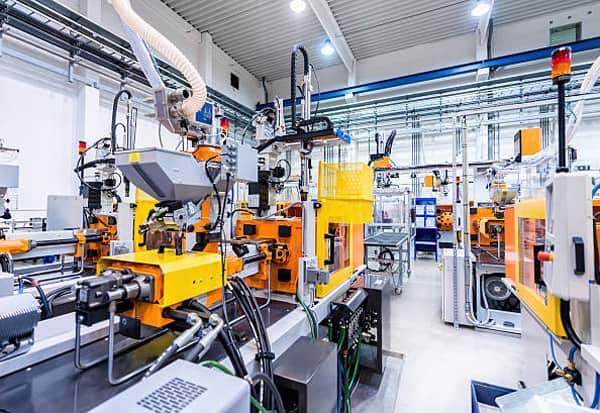
Polymer Engineering is a specialised branch of engineering that focuses on the design, development, processing and application of polymers and plastics. It combines principles of chemistry, materials science and engineering to create advanced materials with improved strength, durability, flexibility and sustainability. Polymer-based materials have become indispensable across industries such as transportation, healthcare, aerospace, electronics, packaging, agriculture and construction.
Undergraduate Programme
A bachelor's degree in Polymer or Plastic Engineering equips students with knowledge of polymer chemistry, material processing, product design, manufacturing techniques, testing and quality control. The programme also covers polymer processing technologies, mould design, material characterisation and industrial applications.
Candidates seeking admission must have completed Class 12 or an equivalent examination with Physics, Chemistry and Mathematics as compulsory subjects. Admissions are generally based on national or state-level engineering entrance examinations, depending on the institution.
Postgraduate Studies
A master's programme offers advanced knowledge in specialised areas, including polymer chemistry, polymer reaction engineering, polymer rheology, polymer processing technology, composite materials, nanotechnology in polymers, polymer characterisation techniques and environmental aspects of plastics.
Applicants are generally required to hold a relevant bachelor's degree with at least 55 per cent marks, although eligibility criteria may vary among institutions.
Admission to premier institutes such as the Indian Institutes of Technology (IITs) and National Institutes of Technology (NITs) is largely based on Graduate Aptitude Test in Engineering (GATE) scores, while several state and private universities conduct their own entrance examinations.
Career Opportunities
Graduates in Polymer Engineering have diverse employment opportunities in industries including:
Plastic manufacturing
Medical device production
Packaging and flexible materials
Automotive components
Consumer electronics
Fibre-reinforced composites
Aerospace and defence
Chemical and petrochemical industries
Career options include Polymer Engineer, Plastic Processing Engineer, Product Design Engineer, Materials Scientist, Quality Assurance Engineer, Research and Development Engineer, Tool and Die Designer, Process Engineer and Production Manager.
Emerging Trends and Future Prospects
The growing global emphasis on sustainability has significantly increased demand for recyclable materials and environmentally friendly plastics. This has expanded research and career opportunities in advanced polymer technologies.
Key growth areas include:
Bio-based and biodegradable polymers
High-performance polymers for medical devices
Nanopolymers and nanocomposites
Smart polymers with adaptive properties
Advanced composite materials
Polymers for additive manufacturing (3D printing)
Soft robotics and wearable technologies
As industries increasingly seek lightweight, high-performance and sustainable materials, Polymer Engineering is expected to play a critical role in next-generation manufacturing and product innovation. Continuous advancements in green materials, recycling technologies and intelligent polymer systems are creating promising career prospects for engineers and researchers in India and across the world.

Advertisement