 சினிமா
 டிவி
டிவி Podcast
 iPaper
 கோயில்கள்
 புத்தகங்கள்
 Subscription
 திருக்குறள்
 கடல் தாமரை
Seven classroom management techniques for better learning!
Seven classroom management techniques for better learning!
அக் 09, 2026 06:42 PM
அக் 09, 2026 06:42 PM

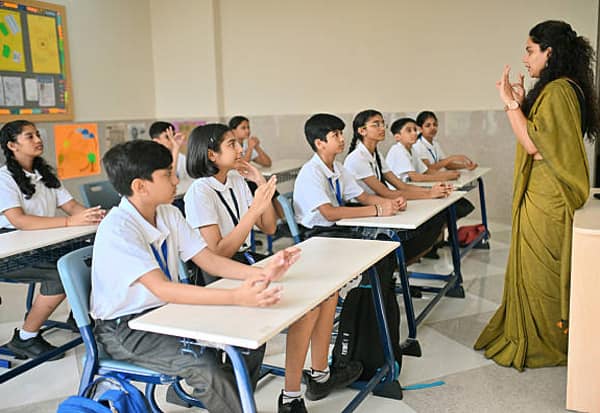
A classroom is more than a place to listen to lessons and write examinations. It is a place where students learn to think, ask questions, build friendships and develop confidence.
A well-managed classroom helps everyone learn better. It is not about controlling students but about creating an environment where they feel safe, respected and ready to learn.
1. Make Learning Enjoyable
Students learn better when they feel welcome, comfortable and motivated. A clean, organised classroom and a positive atmosphere can make lessons more enjoyable. When students feel happy to be there, they are more willing to participate.
2. Focus on Learning
Clear expectations help students understand what they need to learn and achieve. Teachers can guide them through regular feedback, encourage participation and explain how they can improve. When students know what is expected, learning becomes easier to manage.
3. Create a Safe Space
Every student should feel free to ask questions, share ideas and make mistakes without fear of being insulted. A wrong answer should be treated as an opportunity to learn, not a reason for embarrassment. When students feel safe, they gain confidence and participate more actively.
4. Follow Clear Rules and Routines
Simple rules help everyone understand their responsibilities. Knowing when to speak, how to share materials, how to complete assignments and how to keep the classroom clean reduces confusion. Following these routines also teaches students discipline and responsibility.
5. Participate Actively
Learning becomes more interesting when students do more than listen. Group discussions, quizzes, projects, role-play and problem-solving activities give everyone a chance to contribute. Asking questions and sharing ideas can make lessons more meaningful and help students learn from one another.
6. Learn to Be Responsible
School is not just about marks and examinations. It is also where students learn to communicate, cooperate, manage their emotions and resolve disagreements. Accepting mistakes, respecting others and taking responsibility for one's actions are valuable lessons that prepare students for life beyond school.
7. Build Trust with Teachers
Students often respond better when they trust their teachers. Listening carefully, appreciating genuine effort and correcting mistakes respectfully can strengthen this relationship. Encouraging words can help a student overcome fear, develop confidence and become more interested in learning.
Small Changes, Lasting Impact
Classroom management is not just about rules and silence. It creates a safe, respectful space where students learn, participate and grow. When teachers and students work together with trust and responsibility, the classroom becomes a better place for everyone.
--Dr Sajeev MS, EduTHOUGHTS

Advertisement