 சினிமா
 டிவி
 Podcast
 iPaper
 கோயில்கள்
 புத்தகங்கள்
 Subscription
 திருக்குறள்
 கடல் தாமரை

நவ 01, 2026 04:03 PM
நவ 01, 2026 04:03 PM

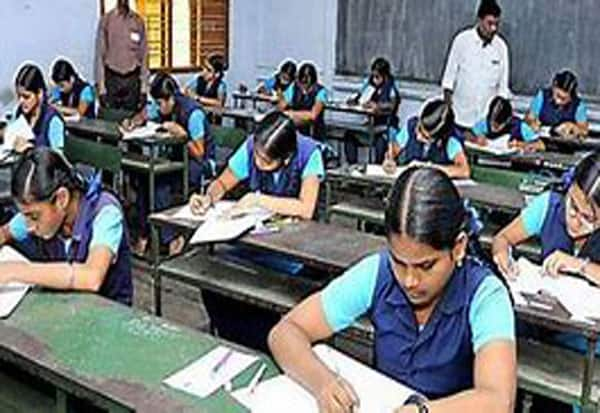
Meaningful education must go beyond marks, memorisation and examinations to inspire curiosity, confidence and independent thinking.
Not interesting
Learning should inspire curiosity, not simply prepare students for examinations. Yet, across many classrooms, students are finding it increasingly difficult to remain interested and engaged in their studies.
Lessons can become routine, textbooks may seem disconnected from everyday life, and the pressure to score high marks can make learning feel like a burden rather than an opportunity.
The problem is not necessarily that students are unwilling to learn. In many cases, the way learning is organised does not connect with their interests, questions and aspirations.
When marks matter more than knowledge
One major reason for declining interest is the excessive focus on examinations and academic scores.
When students are constantly judged by marks, they may begin to study only to pass tests rather than understand concepts. Memorising answers can take priority over asking questions, exploring ideas and developing critical thinking.
Learning by heart, not by understanding
Rote learning also limits opportunities to apply knowledge. A student may remember a scientific definition but struggle to explain how the same principle works in everyday life.
Education becomes meaningful when students understand not just what they are learning, but why it matters.
Mobile phones steal attention
Mobile phones, social media and online entertainment compete for students' attention. Although technology offers valuable learning opportunities, excessive or unproductive screen use can interrupt concentration and reduce the time available for reading, reflection and independent study.
The burden of expectations
Expectations from parents, teachers and society can create considerable pressure. Constant comparisons with classmates, high expectations and fear of failure may affect students' confidence and willingness to try something new. Anxiety and stress can further weaken their interest in learning.
When students lose confidence
When interest in learning declines, the consequences go beyond low examination scores. Students may stop asking questions, hesitate to express their opinions and lose confidence in their abilities. Their creativity and problem-solving skills may also suffer when they are rarely encouraged to explore different approaches.
Uncertainty about the future
Over time, students who do not understand their strengths and interests may find it difficult to make informed decisions about higher education and careers.
The OECD's international PISA research recognises curiosity, perseverance, confidence and students' perception of the usefulness of education as important dimensions of engagement. These findings underline that academic performance alone does not provide a complete picture of a student's learning experience.
Make classroom learning interesting
Reversing this trend requires efforts from students, teachers, parents and educational institutions.
Teachers can make lessons more interesting by connecting classroom concepts with real-life situations. Group discussions, experiments, projects, practical demonstrations and interactive activities can encourage students to participate rather than remain passive listeners.
Use technology wisely
Educational videos, digital resources and learning applications can make difficult concepts easier to understand. However, students must learn to manage screen time and avoid unnecessary digital distractions. UNESCO's 2023 Global Education Monitoring Report also emphasises that technology should support good teaching rather than replace meaningful classroom interaction.
Support students, not just their scores
Parents and teachers should avoid excessive comparisons and unrealistic expectations. Instead of focusing exclusively on marks, they should recognise individual progress, encourage questions and appreciate effort.
Students, too, must take responsibility by developing healthy study habits, setting achievable goals and seeking help whenever they face difficulties.
Every student has potential
Education should not be a race in which everyone is expected to achieve the same results in the same way. Every student has different interests, abilities, strengths and learning needs.
The purpose of education is not merely to produce high scorers but to develop curious minds, confident individuals and responsible citizens. When students discover the relevance of what they learn and receive the encouragement to explore their potential, classrooms can become places of discovery rather than pressure.
Students do not necessarily lose interest because they dislike learning. Sometimes, they lose interest because they cannot see the meaning, purpose or possibilities behind it.
--Source: Education Matters

Advertisement