 சினிமா
 டிவி
டிவி Podcast
 iPaper
 கோயில்கள்
 புத்தகங்கள்
 Subscription
 திருக்குறள்
 கடல் தாமரை
Children labelled 'mischievous' may have learning disabilities, say experts
Children labelled 'mischievous' may have learning disabilities, say experts
UPDATED : ஜூலை 25, 2026 10:09 PM
ADDED : ஜூலை 25, 2026 10:10 PM

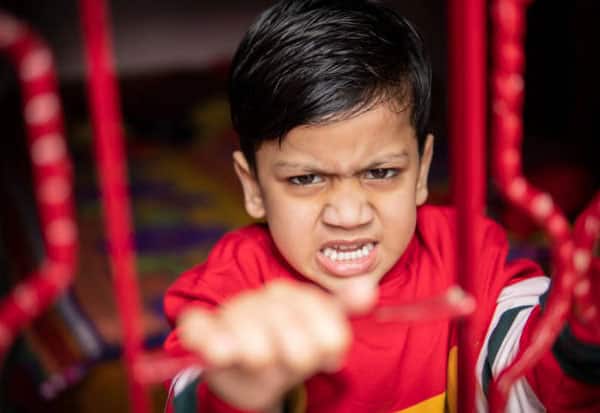
Nagpur: Children who are frequently labelled as mischievous, disobedient or academically weak may actually be living with undiagnosed learning disabilities, and early identification is essential to prevent long-term emotional and educational setbacks, experts from AIIMS Nagpur have said.
Speaking on the sidelines of a workshop on strengthening media capacity on childhood non-communicable diseases (NCDs), organised by UNICEF India and the Press Information Bureau (PIB), Maharashtra, with support from AIIMS Nagpur, paediatric specialists stressed the need for greater awareness among parents and teachers.
Head of the Department of Paediatrics at AIIMS Nagpur, Dr Meenakshi Girish, said learning disabilities are medical conditions that affect a child's ability to read, write or perform mathematical tasks despite having normal or even above-average intelligence.
She said many children with these conditions are wrongly perceived as disobedient, inattentive or lazy because their academic struggles are often mistaken for behavioural problems.
"Without recognising the underlying medical condition, teachers may label them as dull or disobedient, while parents may assume they are stubborn," she said.
According to Dr Girish, AIIMS Nagpur's Non-Communicable Diseases (NCD) Clinic examines six to eight children every month with suspected learning disabilities.
She advised parents to avoid scolding children who consistently struggle with academics and instead seek professional assessment through standard evaluation methods.
UNICEF Health Specialist Dr Annapurna Kaul said an estimated 10 to 20 per cent of school-going children in India may have specific learning disabilities, translating to around four or five students in a classroom of 40.
Dr Girish noted that while affected children may face difficulty in subjects such as English or Mathematics, many possess exceptional abilities in other areas and often perform well in activities they enjoy.
She said children with learning disabilities may appear distracted in classrooms, fail to complete homework or lose interest in lessons, leading teachers to misinterpret the signs as indiscipline.
Teachers are often the first to notice such behavioural patterns, but limited awareness prevents timely identification of learning disorders, she added.
Repeated criticism from teachers and parents can seriously affect a child's confidence, emotional well-being and willingness to attend school, Dr Girish said.
She noted that parents rarely approach doctors complaining about poor academic performance but instead report that the child "doesn't listen", making proper diagnosis crucial.
Children diagnosed with learning disabilities benefit from remedial education, which helps strengthen their skills while providing targeted support in areas where they face difficulties.
Dr Girish said such children are also entitled to educational concessions and support under the Rights of Persons with Disabilities framework to help them continue their education and develop their strengths.
Addressing the workshop, Dr Tushar N. Nale, Assistant Director General in the Directorate General of Health Services under the Union Ministry of Health and Family Welfare, said non-communicable diseases account for nearly 66 per cent of all deaths in India and include conditions such as diabetes, obesity, mental disorders and other chronic illnesses.

Advertisement