 சினிமா
 டிவி
 Podcast
 iPaper
 கோயில்கள்
 புத்தகங்கள்
 Subscription
 திருக்குறள்
 கடல் தாமரை

Patterns in changes to neuron links may help understand how events support brain to adapt: Study
Patterns in changes to neuron links may help understand how events support brain to adapt: Study
UPDATED : நவ 12, 2026 10:20 PM
ADDED : நவ 12, 2026 10:22 PM

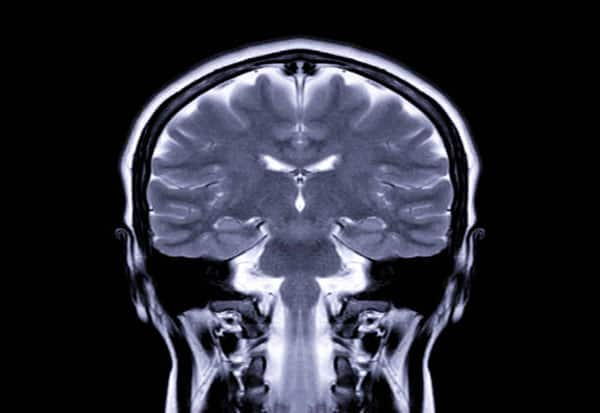
New Delhi: Experiences can cause widespread changes in connections between brain cells, or synapses, influencing brain activity. A new study has found that understanding the patterns in synapse changes may help explain how some events support the brain in adapting, while others contribute to an impaired function.
Scientists have known that experience changes the brain. Learning and sensory input can alter the strength of communication between nerve cells, and synapses can form, disappear or change their structure.
However, previous studies have concentrated on relatively small numbers of synapses in localised areas, providing a limited view of how experience changes synapse populations across the brain, the researchers, led by those at the UK's University of Edinburgh, said.
Synapse changes have also been linked to sleep deprivation, brain injury and genetic variants associated with autism, schizophrenia and other disorders.
Alterations to the brain's diverse synapse populations could be a common mechanism through which it adapts to both inherited and environmental influences, the team suggested in the study published in the journal Nature Communications.
Understanding how experiences influence brain activity could point to potential interventions to modify synapse populations that may have been disrupted by environmental and genetic factors or injury, they added.
The researchers looked at brain cell connections across the whole brain in mice exposed to enriched environments -- containing running wheels, changing mazes and greater opportunities for social interaction -- both during development and in adulthood.
They found the overall density of synapses in the brain did not increase, indicating the quality and type of synaptic connections are more important than the quantity when it comes to brain changes.
In mice whose one eye was closed for a week, altering vision in one eye led to synapse changes were noted beyond the parts of the brain linked to sight, including areas involved in other senses and memory.
The findings suggest changes affecting one sensory experience can lead to widespread molecular adaptations in the brain, underlining the complex interconnectivity of brain functions, the team said.
First author Hanan Woods, from the University of Edinburgh, said, "Our findings suggest that sensory and environmental experiences reshape the molecular landscape of synapses throughout the brain."
"This diversity and capacity for adaptation may provide an important foundation for understanding the brain's resilience and vulnerability to disease throughout life," Woods said.
"Experience-driven reconfiguration of synaptome architecture shares features with the response to aging, sleep deprivation, brain injury and genetic mutations, supporting a unifying principle of brain adaptation," the authors wrote.

Advertisement