 டைம்லைன்
 தினமலர் டிவி
 Podcast
 iPaper
 சினிமா
 கோயில்கள்
 புத்தகங்கள்
 Subscription
 திருக்குறள்
 கடல் தாமரை
/
செய்திகள்
/
Kalvimalar
/
Articles
/
7 Critical Skills Schools Must Teach
/
7 Critical Skills Schools Must Teach
பிப் 16, 2026 09:00 PM
பிப் 16, 2026 09:00 PM

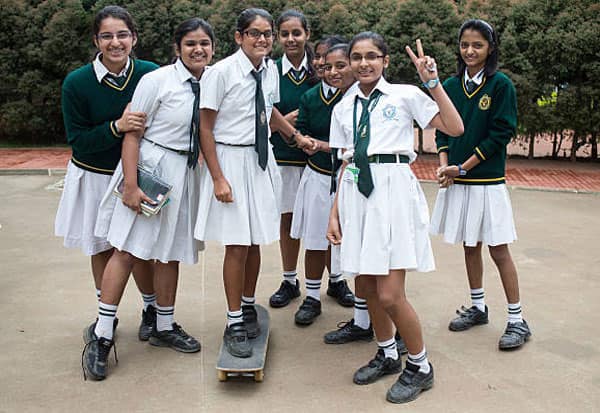
Introduction: Education for Life, Not Just Exams
Modern education has made tremendous strides in academic excellence, technology integration, and global exposure. Yet, as the world evolves rapidly in 2026, schools have an opportunity to go beyond textbooks and examinations. Alongside math, science, and literature, students benefit immensely from practical life skills that prepare them for independence, resilience, and meaningful careers.
Here are seven critical skills schools must actively teach to empower the next generation.
1. Financial Literacy
Understanding money is foundational to adult life. Students should learn how to budget, save, invest, understand taxes, manage credit, and avoid debt traps. Practical exposure to banking systems, digital payments, and long-term financial planning can build financially confident citizens.
2. Emotional Intelligence
Success today depends not just on IQ but EQ. Teaching students how to recognize emotions, manage stress, practice empathy, and resolve conflicts constructively helps them build healthier relationships and stronger leadership qualities.
3. Critical Thinking and Problem-Solving
Rather than memorizing facts, students must learn how to question, analyze, and evaluate information. With misinformation spreading easily in the digital era, the ability to think independently and make informed decisions is essential.
4. Communication Skills
Clear communication—both written and spoken—is a lifelong asset. Public speaking, persuasive writing, active listening, and professional email etiquette should be part of structured learning. These skills enhance academic, professional, and personal success.
5. Digital Literacy and Online Responsibility
In a world driven by technology, students must understand cybersecurity, digital footprints, ethical online behavior, and responsible social media use. Beyond using devices, they must learn to use technology wisely and safely.
6. Time Management and Self-Discipline
Balancing studies, hobbies, and responsibilities requires organization. Teaching goal-setting, prioritization, and productivity strategies helps students avoid burnout and develop consistency—an essential trait for long-term achievement.
7. Adaptability and Resilience
Change is constant. Whether it is technological disruption, career shifts, or personal setbacks, resilience determines how individuals respond. Schools can nurture adaptability through project-based learning, teamwork challenges, and real-world simulations.
Conclusion: Building Capable Citizens
Education should shape capable, confident, and compassionate individuals. By integrating these seven critical skills into the curriculum, schools can bridge the gap between academic knowledge and real-world readiness.
When schools teach students how to think, manage, adapt, and lead—not just what to memorize—they prepare them not only to pass exams but to thrive in life.

Advertisement