 சினிமா
 டிவி
டிவி Podcast
 iPaper
 கோயில்கள்
 புத்தகங்கள்
 Subscription
 திருக்குறள்
 கடல் தாமரை
Mechanical Engineering: A Gateway to Modern Manufacturing
Mechanical Engineering: A Gateway to Modern Manufacturing
ஜூலை 28, 2026 07:13 PM
ஜூலை 28, 2026 07:13 PM

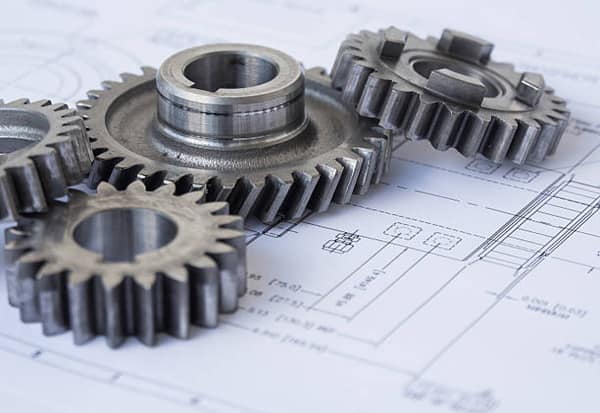
Mechanical Engineering is one of the oldest and broadest branches of engineering, forming the foundation of manufacturing, transportation, energy and industrial development. It deals with the design, analysis, production, operation and maintenance of machines and mechanical systems. As industries embrace automation, artificial intelligence and sustainable technologies, the discipline continues to evolve, offering diverse and rewarding career opportunities.
Comprehensive Undergraduate Curriculum
A Bachelor's degree in Mechanical Engineering equips students with a strong foundation in engineering principles and practical applications. The curriculum typically includes subjects such as machine design, thermodynamics, fluid mechanics, manufacturing technology, mechanics of machines, materials science and engineering mathematics.
Students also undergo industrial training, laboratory sessions and project work, enabling them to apply theoretical knowledge to real-world engineering challenges. The programme prepares graduates to meet the demands of modern manufacturing and industrial sectors.
Advanced Specialisations at the Postgraduate Level
Postgraduate programmes focus on specialised and research-oriented areas of mechanical engineering. Students gain expertise in advanced thermodynamics, computational fluid dynamics (CFD), finite element analysis (FEA), robotics, mechatronics, advanced machine design, automation, additive manufacturing and research methodology.
These programmes prepare graduates for leadership roles in industry, research organisations and academia while opening pathways to doctoral studies.
Diverse Career Opportunities
Mechanical engineers are among the most sought-after professionals across multiple industries. Employment opportunities exist in:
Manufacturing and production industries
Automobile and electric vehicle (EV) sector
Aerospace and aviation industries
Energy and power generation
Robotics and industrial automation
Oil and gas sector
Construction and heavy engineering
Defence and public sector undertakings (PSUs)
Research and development organisations
Maintenance and quality assurance
Graduates may also pursue higher studies, competitive examinations, entrepreneurship or careers in teaching and research at engineering colleges and universities.
Bright Future in Emerging Technologies
The scope of Mechanical Engineering is expanding rapidly with the advent of Industry 4.0 and smart manufacturing. Technologies such as robotics, automation, artificial intelligence, Internet of Things (IoT), 3D printing, mechatronics and green energy systems are transforming the engineering landscape.
Mechanical engineers play a crucial role in designing energy-efficient systems, developing sustainable manufacturing processes and creating innovative products that improve productivity and quality of life. With increasing investments in renewable energy, electric mobility and advanced manufacturing, demand for skilled mechanical engineers is expected to grow steadily in India and across the world.
A Timeless Engineering Discipline
Mechanical Engineering remains one of the most versatile and future-ready engineering disciplines. Its strong blend of theoretical knowledge, practical skills and technological innovation enables graduates to contribute to almost every sector of the economy. For students passionate about designing, building and improving machines and systems, Mechanical Engineering offers a challenging, dynamic and highly rewarding career path.

Advertisement