 சினிமா
 டிவி
டிவி Podcast
 iPaper
 கோயில்கள்
 புத்தகங்கள்
 Subscription
 திருக்குறள்
 கடல் தாமரை
UPDATED : ஆக 04, 2026 08:54 PM
ADDED : ஆக 04, 2026 08:55 PM

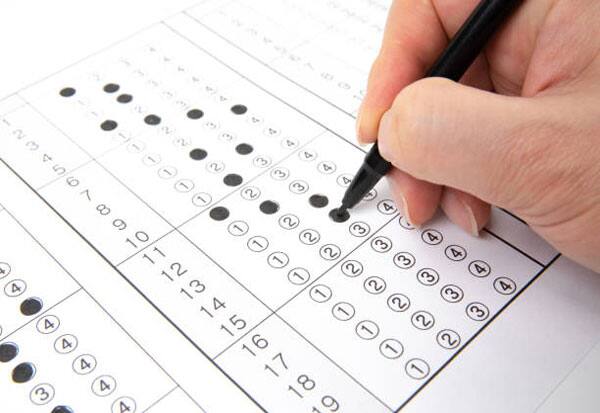
New Delhi: The impact of the alleged NEET-UG 2026 question paper leak has spread far beyond medical admissions, disrupting the academic calendar for professional courses across the country and leaving millions of students and their families grappling with uncertainty over their higher education plans.
The cancellation of the original NEET-UG examination following allegations of a paper leak and the subsequent delay in conducting the re-examination have pushed back the entire admission process for medical, dental and allied health sciences. The ripple effect has extended to engineering, pharmacy, agriculture and other professional courses, where admission schedules traditionally overlap.
Education experts say the disruption has affected several crore students directly or indirectly, including those appearing for multiple entrance examinations, those seeking admissions through state counselling processes, and students waiting for institutions to finalise academic calendars.
A large section of aspirants writes both NEET and engineering entrance examinations to keep career options open. With engineering counselling progressing in many states while NEET admissions remain pending, students are facing one of the toughest decisions of their academic lives.
Many are uncertain whether to accept engineering seats to avoid losing an academic year or wait for NEET results in the hope of securing admission to medical courses. Parents, meanwhile, are weighing the financial implications of paying admission fees for one course while remaining unsure whether their children may later switch to another.
The uncertainty has also affected admissions to pharmacy, veterinary sciences, agriculture, nursing and other professional programmes where students often keep multiple options open until final counselling.
Academic institutions and admission authorities have had to repeatedly revise schedules, delaying seat allotments, document verification and commencement of classes. Universities and colleges in several states are expected to begin their academic sessions at different times, complicating the admission process further.
Educationists said the controversy has exposed the interconnected nature of India's entrance examination ecosystem, where disruption in one national-level examination can affect admission timelines across multiple streams.
They noted that while examination integrity must remain paramount, authorities also need robust contingency mechanisms to minimise academic disruption in the event of unforeseen developments.
Student organisations have called for better coordination among national and state admission authorities, synchronised counselling schedules and safeguards to protect candidates who qualify for multiple professional courses.
The episode has also renewed demands for stronger examination security, faster investigation of alleged malpractices and a more resilient admission framework that can absorb disruptions without leaving lakhs of students in prolonged uncertainty.
With professional admissions entering a crucial phase, students and parents now await the completion of the delayed medical admission process, hoping for clarity after months of uncertainty triggered by the examination controversy.

Advertisement