 சினிமா
 டிவி
டிவி Podcast
 iPaper
 கோயில்கள்
 புத்தகங்கள்
 Subscription
 திருக்குறள்
 கடல் தாமரை
ஜூன் 11, 2026 07:17 PM
ஜூன் 11, 2026 07:17 PM

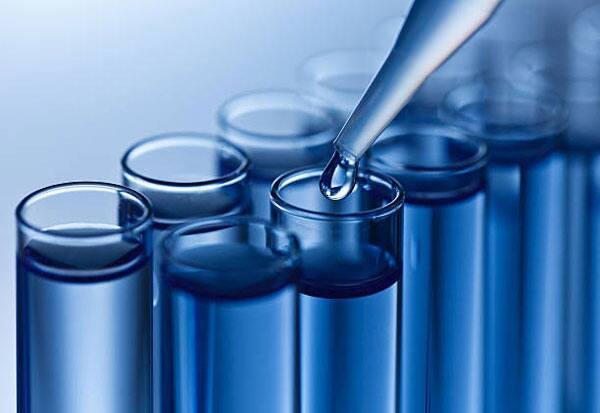
When we think of healthcare, doctors are often the first professionals who come to mind. However, modern medicine relies on a vast network of allied health professionals who support diagnosis, treatment, and patient care.
To regulate and strengthen these professions, the Government of India established the National Commission for Allied and Healthcare Professions through the National Commission for Allied and Healthcare Professions Act, 2021.
Among the many disciplines recognized under this framework, Medical Laboratory Science occupies a crucial place. It is the science behind disease detection, diagnosis, and monitoring, providing physicians with the information needed to make informed clinical decisions.
The importance of accurate diagnosis was emphasized centuries ago by Thiruvalluvar, who advised that one must identify a disease, understand its cause, determine the appropriate remedy, and administer treatment effectively.
Medical Laboratory Science forms the foundation of this process by helping identify the exact nature of an illness.
The significance of this field became especially evident during the COVID-19 pandemic.
Medical laboratory professionals were at the forefront of testing and confirming infections, enabling healthcare systems worldwide to track and manage the spread of the virus. Their expertise also contributed to research and development efforts that supported vaccines such as Covishield and Covaxin.
India's remarkable improvement in life expectancy—from around 32-42 years at the time of Independence to nearly 68-72 years today—has been driven by advances in healthcare, pharmaceuticals, medical technology, and diagnostic sciences. Medical laboratory scientists have been key contributors to this progress.
Students pursuing a four-year bachelor's degree in Medical Laboratory Science receive comprehensive training in specialized areas including microbiology, biochemistry, hematology, histopathology, immunology, and molecular diagnostics. These skills prepare graduates for immediate employment in hospitals, diagnostic centres, research institutions, and clinical laboratories.
The field also offers excellent opportunities for higher education and research. After completing an undergraduate degree, students may pursue postgraduate studies and specialize further in disciplines such as microbiology, biochemistry, hematology, histopathology, immunology, or molecular diagnostics. Those interested in innovation and scientific discovery can continue into doctoral research and build careers as scientists and researchers.
Medical Laboratory Science is, therefore, more than a healthcare profession—it is the science that helps identify diseases, guides treatment decisions, advances medical research, and ultimately improves human health and longevity.
- Dr. A.P. Irungovel, Manager (Medical Sociology), Sankara Nethralaya, and Dr. Vandana, Head of the Department of Medical Laboratory Science and Associate Professor, Sankara Nethralaya.

Advertisement