 சினிமா
 டிவி
 Podcast
 iPaper
 கோயில்கள்
 புத்தகங்கள்
 Subscription
 திருக்குறள்
 கடல் தாமரை

செப் 24, 2026 10:04 AM
செப் 24, 2026 10:04 AM

Introduction
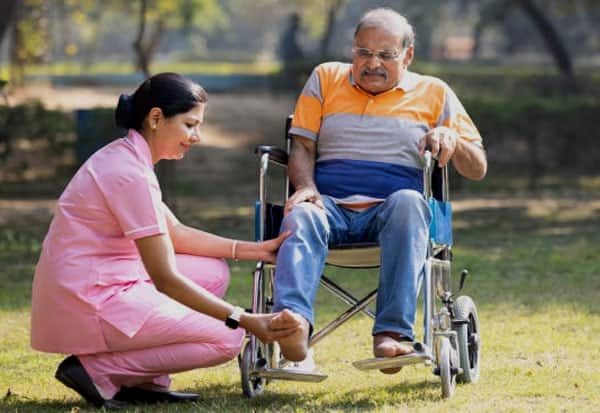
Physiotherapists play an important role in helping people recover movement, strength and independence after injuries, surgery, chronic pain, neurological conditions and other physical problems. They use their understanding of the human body, movement and exercise to design treatment programmes that help patients return to everyday activities.
Education
Students interested in this career can pursue a Bachelor of Physiotherapy (BPT) after completing Class 12. In India, the BPT programme generally combines classroom learning with clinical training and internship experience. The exact course structure and duration can vary between institutions and under applicable university or regulatory requirements.
Eligibility
Students planning to pursue physiotherapy generally need to have studied the Science stream, including subjects such as Physics, Chemistry and Biology, at the higher-secondary level. Eligibility requirements, minimum marks and admission procedures vary among institutions and states. Admissions may be based on qualifying examination marks or an entrance process, depending on the institution.
What Will You Study?
BPT students learn subjects such as anatomy, physiology, biomechanics, exercise therapy, electrotherapy and musculoskeletal physiotherapy. Clinical training is an important part of the course, allowing students to apply what they learn while working with patients under professional supervision.
Students who want to specialise further can pursue postgraduate education such as a Master of Physiotherapy (MPT). Areas of advanced study may include orthopaedics, neurology, sports physiotherapy and cardiopulmonary physiotherapy, depending on the institution.
Skills That Matter
Being a good physiotherapist requires more than medical knowledge. Patience, empathy and good communication are essential because patients may be in pain, anxious or frustrated about their recovery.
Physiotherapists must also explain exercises and treatment plans clearly and motivate patients to follow them consistently. Good observation, problem-solving skills and physical stamina are equally useful in this profession.
Career Opportunities
Physiotherapists can work in hospitals, clinics, rehabilitation centres, sports settings, nursing and residential care facilities, and other healthcare organisations. Opportunities may also exist in corporate wellness programmes and specialised rehabilitation services.
With appropriate qualifications, registration and professional experience as required by the applicable rules, physiotherapists may also establish their own practice.
For students interested in healthcare, human movement and helping people regain independence, physiotherapy can offer a meaningful career that combines science, practical skills and direct patient care.

Advertisement